The Importance of Water Sanitation in Disease Prevention for Poultry and Recommended Practices
- H. A. Malkawi
- May 16
- 4 min read

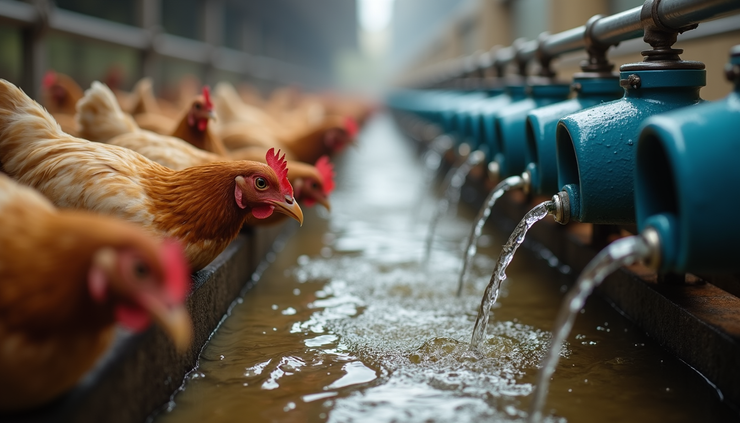
Clean water is essential for poultry health and productivity. Contaminated water can carry harmful pathogens that cause diseases, reduce growth rates, and increase mortality in poultry flocks. Ensuring proper water sanitation in poultry houses is a critical step in preventing disease outbreaks and maintaining a healthy environment for birds.
Water sanitation plays a vital role in controlling the spread of bacteria, viruses, and parasites that thrive in dirty water systems. This article explores how water sanitation helps prevent diseases in poultry, outlines practical recommendations for delivering clean water, and discusses the types of products allowed for water sanitation.

How Water Sanitation Prevents Disease in Poultry
Water is a common route for disease transmission in poultry farms. Pathogens such as Escherichia coli, Salmonella, Clostridium, and Campylobacter can multiply in water lines and drinking systems. Birds drinking contaminated water ingest these pathogens, leading to infections that affect their immune system and overall health.
Poor water quality can also encourage biofilm formation inside pipes and drinkers. Biofilms are slimy layers of bacteria that protect pathogens from disinfectants, making infections harder to control. Additionally, water with high levels of organic matter, minerals, or suspended solids reduces the effectiveness of sanitation products.
Maintaining water sanitation helps:
Reduce pathogen load in water systems
Prevent biofilm buildup that shelters harmful microbes
Improve bird hydration and nutrient absorption by providing clean water
Lower the risk of disease outbreaks and reduce antibiotic use
By controlling water quality, poultry producers can improve flock health, increase productivity, and reduce economic losses caused by disease.
Recommendations for Delivering Clean Water to Poultry Houses
Ensuring clean water delivery requires a combination of good management practices and effective sanitation protocols. The following recommendations help maintain water quality from source to bird:
1. Regular Cleaning of Water Lines and Drinkers
Flush water lines frequently to remove sediment and organic debris
Use mechanical cleaning tools or flushing devices to dislodge biofilms
Clean drinkers daily to prevent contamination from feed, dust, and droppings
2. Monitor Water Quality Parameters
Test water regularly for pH, turbidity, microbial contamination, and chemical residues
Maintain pH between 6.5 and 8.5 for optimal sanitation product performance
Check for hardness and iron levels that can interfere with disinfectants
3. Use Water Treatment Products Appropriately
Apply approved disinfectants and sanitizers according to label instructions
Rotate products periodically to prevent microbial resistance
Avoid overdosing to protect bird health and water system integrity
4. Protect Water Sources
Ensure water sources are clean and protected from contamination by wildlife or farm waste
Use filtration systems if necessary to remove suspended solids and microbes before water enters the poultry house
5. Maintain Proper Water Temperature
Keep water temperature between 10°C and 25°C to discourage bacterial growth
Avoid stagnant water by ensuring continuous flow or regular flushing
Types of Products Allowed for Water Sanitation in Poultry
Water sanitation products must be safe for poultry consumption and effective against pathogens. Regulatory agencies approve specific products based on safety and efficacy data. Common types include:
Chlorine-Based Disinfectants
Sodium hypochlorite and calcium hypochlorite are widely used
Effective against bacteria, viruses, and some parasites
Require careful dosing and pH control for maximum effect
Hydrogen Peroxide and Peracetic Acid
Strong oxidizers that break down organic matter and kill microbes
Often combined with other agents for enhanced action
Biodegradable and leave no harmful residues
Organic Acids
Formic acid, lactic acid, and acetic acid lower water pH to inhibit microbial growth
Can improve feed conversion and gut health when used correctly
Must be used at recommended concentrations to avoid irritation
Copper and Silver Ionization
Release ions that disrupt microbial cell membranes
Provide continuous disinfection in water systems
Require monitoring to maintain safe ion levels
Enzymatic Cleaners and Biofilm Removers
Break down biofilms and organic deposits inside pipes
Used periodically to enhance the effectiveness of disinfectants
Practical Example of a Water Sanitation Protocol
A poultry farm with 10,000 birds implemented the following water sanitation protocol:
Weekly flushing of water lines with enzymatic cleaner
Daily cleaning of drinkers with hot water and detergent
Continuous dosing of sodium hypochlorite at 2 ppm in drinking water
Monthly water testing for microbial contamination and chemical parameters
Installation of a sand filter to remove suspended solids from the water source
After three months, the farm reported a 30% reduction in respiratory infections and improved feed conversion rates, demonstrating the impact of proper water sanitation.

Challenges and Considerations in Water Sanitation
While water sanitation is essential, poultry producers face challenges such as:
Biofilm resistance: Some biofilms require stronger or combined treatments
Water source variability: Different sources need tailored treatment approaches
Chemical residues: Overuse of disinfectants can harm birds or equipment
Cost and labor: Regular cleaning and monitoring require investment and training
Addressing these challenges involves ongoing education, monitoring, and adapting sanitation protocols to farm conditions.
Final Thoughts on Water Sanitation for Poultry Health
Water sanitation is a cornerstone of disease prevention in poultry production. Clean water reduces pathogen exposure, supports bird health, and enhances farm productivity. By following recommended practices such as regular cleaning, water quality monitoring, and using approved sanitation products, poultry producers can create safer environments for their flocks.
Investing time and resources into water sanitation pays off with healthier birds and fewer disease outbreaks. The next step is to evaluate your current water management practices and implement improvements that ensure every drop of water delivered to your poultry houses supports their well-being.


Comments