Enhancing AI Reservoirs: Effective Strategies for Farms to Manage Wild Bird Interference

Avian influenza (AI) remains a persistent threat to poultry farms worldwide. Wild birds play a significant role in maintaining AI reservoirs, often acting as carriers without showing symptoms. Farms face the challenge of controlling this risk while coexisting with local wildlife. Beyond simple fencing and deterrents, there are practical strategies farms can adopt to reduce the risk of AI transmission from wild birds. This post explores these strategies, offering actionable advice for farmers seeking to protect their flocks.
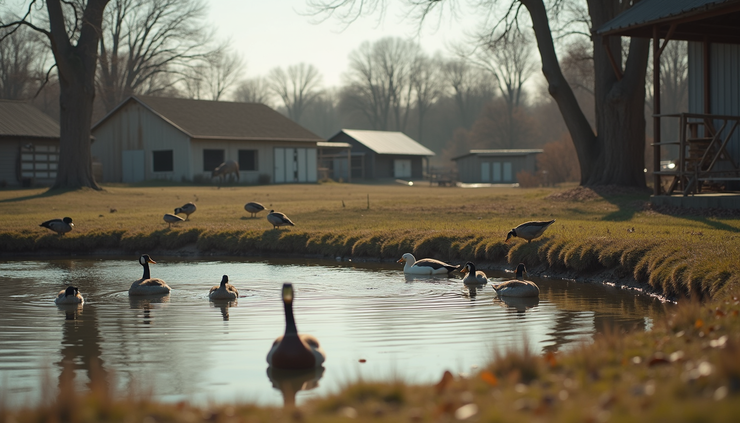
Understanding the Role of Wild Birds in AI Reservoirs
Wild birds, especially waterfowl like ducks and geese, are natural reservoirs of avian influenza viruses. They often carry the virus in their intestines and shed it into the environment through feces, contaminating water and soil. Farms located near wetlands or bodies of water face higher risks because these areas attract large numbers of wild birds.
Wild birds can introduce AI viruses to domestic poultry through:
Contaminated water sources
Shared feeding areas
Direct contact with poultry or their environment
Recognizing these transmission routes helps farms focus on practical control measures that go beyond physical barriers.
Why Fencing and Deterrents Are Not Enough
Many farms rely on fencing and scare tactics like noise makers or visual deterrents to keep wild birds away. While these methods can reduce bird presence temporarily, they rarely eliminate the risk entirely. Wild birds adapt quickly to deterrents, and fencing often cannot prevent smaller birds or waterfowl from accessing water sources or open areas.
Fencing also does not address indirect transmission routes such as contaminated water or feed. Therefore, farms need a multi-layered approach that targets the environment and management practices.
Practical Strategies Farms Can Control
1. Manage Water Sources Carefully
Water is a major pathway for AI transmission. Farms should:
Avoid using untreated surface water from ponds, lakes, or rivers for poultry drinking or cleaning.
Provide treated or well water to poultry.
Regularly clean and disinfect water troughs and containers.
Limit access of wild birds to farm water sources by covering or isolating them.
For example, a poultry farm in the Midwest installed covered water tanks and switched to well water, which significantly reduced wild bird visits and lowered AI risk.
2. Control Feed Access
Wild birds are attracted to spilled feed and open feeding areas. To reduce this:
Use feeders that minimize spillage.
Feed poultry indoors or in enclosed areas.
Clean up spilled feed promptly.
Store feed in sealed containers to prevent wild bird access.
A farm in the UK reported fewer wild bird visits after switching to enclosed feeding systems, which helped reduce contamination risks.
3. Maintain Strict Biosecurity Protocols
Biosecurity is critical in preventing AI spread. Farms should:
Limit farm access to essential personnel only.
Use dedicated clothing and footwear for poultry areas.
Disinfect equipment and vehicles entering the farm.
Monitor flock health regularly and isolate sick birds immediately.
Training farm workers on biosecurity and the risks posed by wild birds ensures consistent implementation.
4. Modify Habitat Around Farms
Changing the environment can make farms less attractive to wild birds:
Remove or manage standing water near poultry houses.
Clear tall grass and dense vegetation where birds may roost.
Use landscaping that discourages wild bird congregation.
For example, a farm in Australia reduced wild bird presence by draining small ponds and trimming vegetation near poultry sheds.
5. Use Physical Barriers Strategically
While fencing alone is insufficient, combining it with other measures helps:
Install netting over open poultry houses or outdoor runs.
Use screens on ventilation openings.
Employ double-door entry systems to reduce bird entry.
These barriers reduce direct contact between wild birds and poultry.

Monitoring and Early Detection
Regular monitoring of wild bird activity around farms helps identify potential risks early. Farms can:
Keep records of wild bird species and numbers observed.
Use wildlife cameras to track bird movement.
Test water sources periodically for AI viruses.
Early detection allows farms to adjust management practices promptly and prevent outbreaks.
Working with Wildlife and Agricultural Experts
Collaborating with local wildlife agencies and agricultural extension services provides valuable insights. Experts can help:
Identify high-risk wild bird species in the area.
Develop tailored mitigation plans.
Provide training on biosecurity and AI prevention.
Community cooperation also helps reduce AI risks across neighboring farms.
Summary
Wild birds are a natural part of the environment but can carry avian influenza viruses that threaten poultry farms. Fencing and deterrents alone do not fully control this risk. Farms can take practical steps such as managing water and feed sources, maintaining strict biosecurity, modifying habitats, and using physical barriers strategically. Monitoring wild bird activity and working with experts further strengthens prevention efforts.
By adopting these strategies, farms can better protect their flocks from AI while coexisting responsibly with local wildlife. The next step is to assess your farm’s specific risks and implement a tailored plan that fits your environment and resources. Protecting poultry health requires ongoing attention and practical action, but it is achievable with the right approach.


Comments