The Impact of Day-Old Chick Quality on Overall Flock Performance

The success of any poultry operation starts long before the birds reach maturity. One of the most critical factors influencing flock health, growth, and productivity is the quality of day-old chicks. These tiny birds set the foundation for everything that follows. Poor chick quality can lead to higher mortality, slower growth, and increased costs, while strong chicks give farmers a head start toward a thriving flock.
Understanding how day-old chick quality predicts flock success helps poultry producers make better decisions, improve management practices, and ultimately increase profitability. This article explores the key aspects of chick quality, how to assess it, and why it matters for the entire production cycle.
What Defines Day-Old Chick Quality?
Day-old chick quality refers to the physical condition and vitality of chicks immediately after hatching. Several factors contribute to this quality:
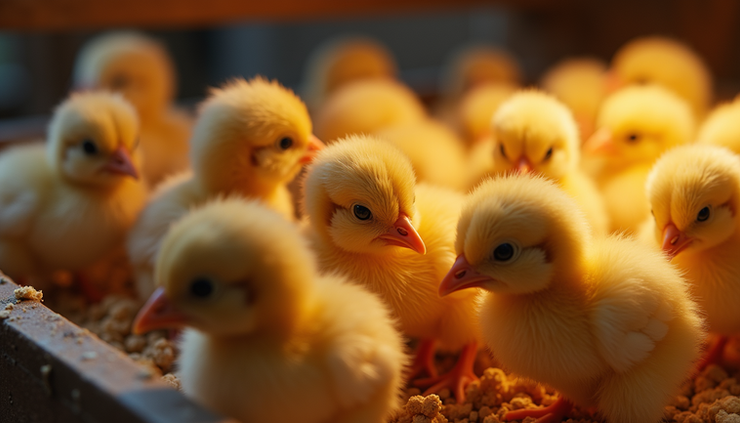
Physical appearance: Chicks should have clean, dry, and fluffy down feathers. Their eyes must be bright and alert.
Body weight: Healthy chicks typically fall within a specific weight range depending on the breed. Underweight chicks may struggle to thrive.
Navel condition: The navel should be closed and dry to prevent infections.
Leg strength and mobility: Chicks should be able to stand and move without difficulty.
Yolk sac absorption: The yolk sac provides essential nutrients during the first days. Proper absorption indicates good internal development.
These characteristics reflect the chick’s ability to survive and grow in the early stages. Poor quality chicks often show signs of dehydration, deformities, or weakness.
Why Day-Old Chick Quality Predicts Flock Success
The initial condition of chicks impacts every stage of production. Here’s how:
Early Mortality Rates
Chicks with poor quality are more vulnerable to diseases and environmental stress. This leads to higher mortality rates in the first week, which can reduce flock size significantly. For example, a study by the University of Arkansas found that flocks starting with high-quality chicks had mortality rates below 3%, while those with weaker chicks saw rates above 8%.
Growth Performance
Healthy day-old chicks grow faster and convert feed more efficiently. They reach market weight sooner, reducing feed costs and improving turnover. In contrast, chicks with poor vitality often lag behind, requiring more feed and time to catch up, if they do at all.
Uniformity of the Flock
Uniformity refers to how similar the birds are in size and weight. High-quality chicks tend to produce more uniform flocks, which simplifies management and processing. Uneven flocks can cause challenges in feeding, health monitoring, and harvesting.
Disease Resistance
Strong chicks have better immune systems, making them less susceptible to common poultry diseases. This reduces the need for antibiotics and other treatments, supporting healthier flocks and safer products.
How to Assess Day-Old Chick Quality
Poultry producers can evaluate chick quality using several practical methods:
Visual inspection: Check for cleanliness, feather condition, and alertness.
Weight sampling: Weigh a sample of chicks to ensure they fall within the expected range.
Navel check: Inspect the navel area for signs of infection or delayed healing.
Behavior observation: Healthy chicks are active and responsive.
Vent sexing and deformity check: Identify any physical abnormalities early.
Many hatcheries provide quality reports that include these assessments. Producers should request and review these reports regularly.
Improving Chick Quality Through Management
While genetics and hatchery practices play a major role, farm management also influences chick quality outcomes.
Proper Brooding Environment
Maintaining optimal temperature, humidity, and ventilation in the brooding area supports chick health. For example, temperatures around 32–35°C (90–95°F) during the first week help chicks maintain body heat.
Immediate Access to Feed and Water
Providing clean water and starter feed within hours of arrival encourages early feeding and hydration, which supports growth and immune function.
Sanitation and Biosecurity
Reducing exposure to pathogens through clean equipment and controlled access limits disease risks that can affect weak chicks.
Monitoring and Record-Keeping
Tracking chick performance and mortality helps identify problems early and adjust management practices accordingly.

Real-World Example: Chick Quality Impact on a Commercial Broiler Farm
A commercial broiler farm in Georgia conducted a trial comparing two batches of day-old chicks from different hatcheries. The batch with higher quality chicks showed:
2% lower mortality in the first week
5% faster average daily gain
10% better feed conversion ratio
More uniform flock weight at processing
These improvements translated into thousands of dollars in savings and higher revenue per flock cycle. The farm now prioritizes sourcing chicks from hatcheries with proven quality standards.
Final Thoughts on Day-Old Chick Quality and Flock Success
Day‑old chick quality is not just a hatchery metric—it is the starting point of flock success. Every improvement made at the breeder, hatchery, or farm level compounds throughout the production cycle. Strong chicks amplify the benefits of good management, while weak chicks magnify every challenge.
For producers aiming to improve performance, reduce costs, and increase profitability, prioritizing chick quality is one of the most strategic decisions they can make. It is the first—and often the most important—investment in a productive flock.


Comments