The Effects of Stocking Density on Poultry Health and Performance
- H. A. Malkawi
- May 16
- 3 min read

Stocking density, or the number of birds housed per unit area, plays a crucial role in poultry farming. It directly affects the health, welfare, and productivity of poultry flocks. Farmers and producers face the challenge of balancing space efficiency with the well-being of their birds. Understanding how stocking density influences poultry can help improve management practices, reduce disease risks, and boost overall performance.
What Is Stocking Density and Why It Matters
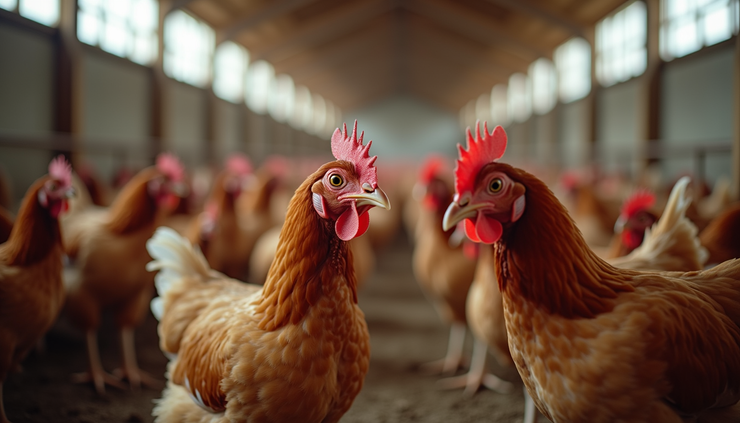
Stocking density refers to how many birds are kept in a given space, usually measured as birds per square meter or square foot. Higher stocking densities mean more birds in less space, which can increase production efficiency but also raise concerns about bird welfare.
The importance of stocking density lies in its impact on:
Bird health: Crowded conditions can increase stress and disease transmission.
Growth and performance: Overcrowding may reduce feed intake and growth rates.
Behavior: Birds need space to move, rest, and express natural behaviors.
Environmental quality: High densities can lead to poor air quality and litter conditions.
Finding the right balance is essential for sustainable poultry farming.
How Stocking Density Affects Poultry Health
Disease and Stress
High stocking density creates an environment where diseases spread quickly. Pathogens like bacteria and viruses pass easily from bird to bird when space is limited. For example, respiratory infections are common in overcrowded poultry houses due to poor ventilation and high ammonia levels.
Stress levels also rise with crowding. Stress weakens the immune system, making birds more vulnerable to illness. Signs of stress include feather pecking, aggression, and reduced activity. Chronic stress can lead to higher mortality rates.
Air Quality and Litter Conditions
More birds in a small area produce more waste, which affects air quality. Ammonia from droppings irritates the respiratory tract and eyes, leading to infections and discomfort. Poor litter quality can cause footpad dermatitis and hock burns, painful conditions that reduce mobility and welfare.
Maintaining good ventilation and managing litter are critical, especially at higher stocking densities.
Impact on Growth and Performance
Feed Intake and Weight Gain
When birds are crowded, competition for feeders and drinkers increases. This competition can reduce feed intake for some birds, slowing their growth. Studies show that broilers raised at very high densities often have lower average daily gains compared to those with more space.
Mortality and Carcass Quality
Overcrowding can increase mortality rates due to stress, disease, and injuries from aggressive behavior. It also affects carcass quality. Birds under stress may have poorer muscle development and higher incidences of bruising or deformities.
Practical Stocking Density Recommendations
Guidelines for stocking density vary depending on bird type, breed, and production goals. Here are some general recommendations based on research and industry standards:
Broilers: 10 to 15 birds per square meter (approximately 1.0 to 1.5 square feet per bird) is common. Lower densities improve growth and reduce health problems.
Layers: Around 7 to 9 birds per square meter in cage-free systems supports better welfare.
Breeders: Require more space to allow natural behaviors and reduce stress.
Adjustments should consider ventilation, litter management, and feeding systems to support bird health.
Strategies to Manage Stocking Density Effects
Improving Housing Design
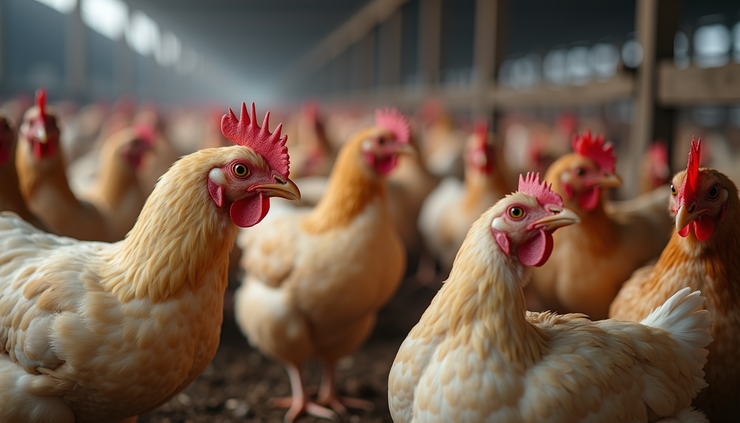
Designing poultry houses with good ventilation and easy access to feeders and drinkers helps reduce the negative effects of higher stocking densities. Using adjustable feeders and drinkers can ensure all birds get enough resources.
Monitoring Bird Behavior and Health
Regular observation helps identify signs of stress or disease early. Behavioral changes like increased aggression or reduced movement indicate overcrowding issues. Health monitoring allows timely interventions.
Using Enrichment
Providing perches, dust baths, or pecking objects encourages natural behaviors and reduces stress. Enrichment can improve welfare even in moderately high stocking densities.
Optimizing Nutrition and Management
Balanced diets and proper feeding schedules support bird growth and immune function. Clean water and good hygiene reduce disease risks.
Case Study: Effects of Stocking Density on Broiler Performance
A study conducted on broiler chickens compared two stocking densities: 10 birds/m² and 20 birds/m². The group with lower density showed:
8% higher average daily weight gain
15% lower mortality rate
Better feather condition and fewer footpad lesions
The higher density group experienced more respiratory issues and aggressive behavior. This example highlights the trade-offs between maximizing space use and maintaining bird health.
Final Thoughts on Stocking Density in Poultry Farming
Stocking density is a key factor influencing poultry health and performance. While higher densities may increase short-term production, they often lead to health problems, stress, and lower growth rates. Farmers should aim for densities that support bird welfare and productivity by considering housing design, management practices, and environmental control.


Comments