Innovative Sustainability Practices Transforming Modern Poultry Farms
- H. A. Malkawi
- May 17
- 3 min read

Sustainability has become a critical focus in agriculture, especially in poultry farming, where environmental impact and resource use are under scrutiny. Modern poultry farms face the challenge of meeting growing food demands while reducing their ecological footprint. This post explores practical sustainability practices that are reshaping poultry farming today, offering real-world examples and clear benefits.
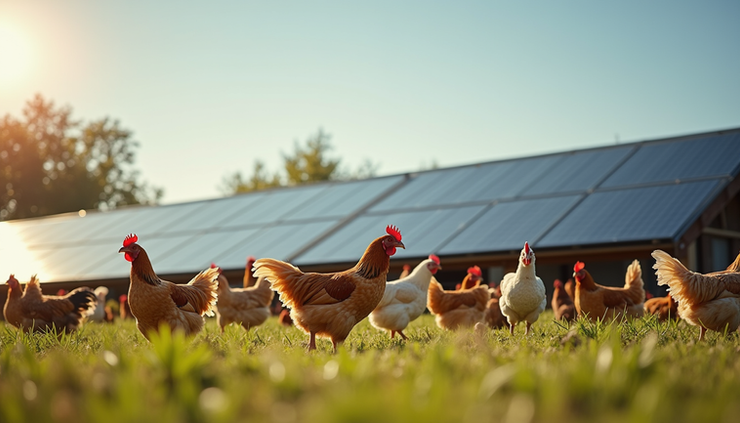
Reducing Energy Consumption with Renewable Sources
Energy use in poultry farms is significant, powering lighting, ventilation, heating, and cooling systems. Switching to renewable energy sources like solar or wind power cuts greenhouse gas emissions and lowers operating costs.
Solar panels on poultry house roofs capture sunlight to generate electricity. Farms in sunny regions report up to 40% savings on energy bills.
Wind turbines provide a steady power supply in windy areas, supplementing or replacing grid electricity.
Using energy-efficient LED lighting reduces electricity use while maintaining optimal conditions for bird health and productivity.
For example, a farm in California installed solar panels covering 10,000 square feet of roof space. This system produces enough electricity to power the entire operation, reducing carbon emissions by over 30 tons annually.
Water Conservation Techniques
Water is essential for poultry farms but often wasted through inefficient systems. Sustainable farms adopt water-saving technologies and recycling methods to minimize use.
Automated watering systems deliver precise amounts of water, preventing overuse.
Rainwater harvesting collects and stores rain for cleaning and irrigation.
Water recycling treats and reuses water from cleaning processes, reducing freshwater demand.
A poultry farm in the Midwest implemented a rainwater collection system that supplies 60% of its non-drinking water needs. This reduces reliance on municipal water and lowers costs.
Sustainable Feed Practices
Feed production has a large environmental impact, including land use, water consumption, and emissions. Sustainable poultry farms focus on improving feed efficiency and sourcing ingredients responsibly.
Using locally sourced grains reduces transportation emissions.
Incorporating by-products from other industries (like food waste or insect protein) lowers reliance on traditional feed crops.
Optimizing feed formulas improves nutrient absorption, reducing waste and manure output.
One farm in Europe replaced 20% of its soybean meal with insect protein, cutting feed costs and reducing deforestation linked to soybean farming.
Waste Management and Circular Systems
Managing poultry waste sustainably prevents pollution and creates value from by-products.
Composting manure transforms waste into nutrient-rich fertilizer for crops.
Anaerobic digesters convert manure into biogas, a renewable energy source.
Using litter management systems reduces ammonia emissions and improves air quality.
A poultry operation in Canada installed an anaerobic digester that produces enough biogas to heat the farm’s buildings, cutting fossil fuel use by 50%.

Enhancing Animal Welfare for Sustainability
Sustainable poultry farming also means improving animal welfare, which supports healthier birds and reduces disease risks.
Providing natural light and ventilation improves bird comfort.
Using enriched housing systems allows natural behaviors like perching and dust bathing.
Reducing stress through better handling and environment lowers mortality rates.
Healthier birds grow more efficiently, reducing resource use per unit of meat or eggs produced.
Technology and Data for Sustainable Decisions
Modern farms use technology to monitor conditions and optimize resource use.
Sensors track temperature, humidity, and air quality to maintain ideal environments.
Data analytics identify patterns to improve feed efficiency and reduce waste.
Automated systems adjust lighting and ventilation based on real-time data.
These tools help farmers make informed decisions that balance productivity with sustainability.
Community and Environmental Impact
Sustainable poultry farms contribute positively to their communities and ecosystems.
Reducing pollution protects local water sources and soil health.
Creating renewable energy supports regional energy goals.
Engaging with local suppliers and markets strengthens rural economies.
Farms that adopt sustainability practices often gain consumer trust and access to premium markets focused on ethical and eco-friendly products.
Sustainability in poultry farming is no longer optional but essential for long-term success. By adopting renewable energy, conserving water, improving feed, managing waste responsibly, and using technology, farms can reduce their environmental impact while maintaining productivity. These practices also improve animal welfare and community relations, creating a stronger foundation for future food security.


Comments