Eimeria Species in Poultry: Understanding Their Hidden Impact on Gut Health

Poultry producers often face challenges with gut health that go beyond visible symptoms. One of the most damaging yet underestimated threats comes from Eimeria species, microscopic parasites that invade the intestinal tract. These parasites cause coccidiosis, a disease that can silently erode the health and productivity of flocks. Understanding how Eimeria species affect poultry gut health is crucial for effective management and prevention.
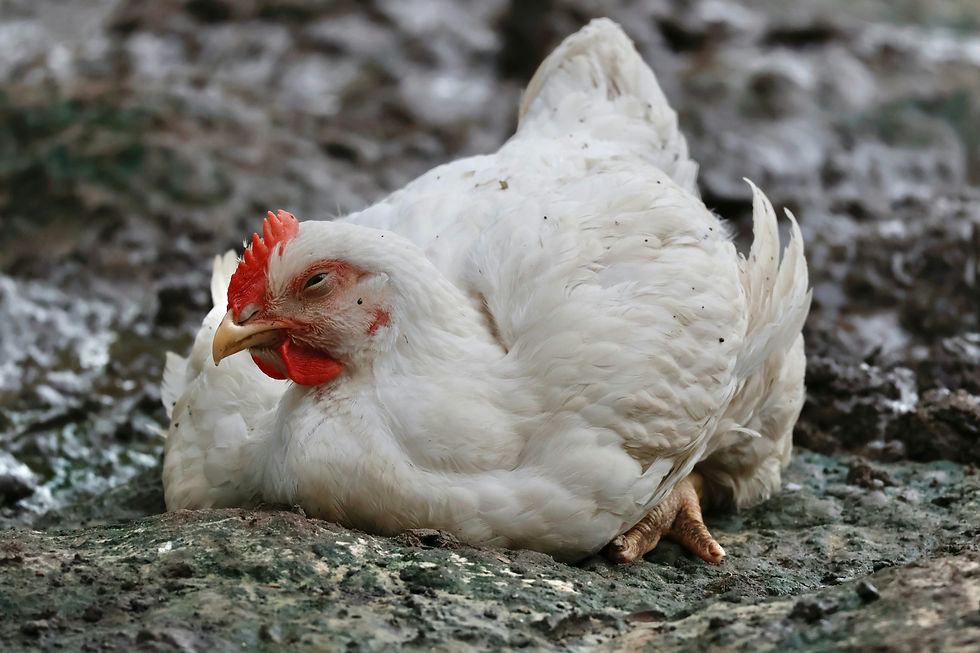
Diseased chicken
What Are Eimeria Species and How Do They Infect Poultry?
Eimeria are single-celled parasites that infect the intestinal lining of birds. There are several species of Eimeria that affect poultry, each targeting different parts of the gut. For example:
Eimeria acervulina mainly infects the upper small intestine.
Eimeria tenella targets the ceca, a part of the lower intestine.
Eimeria maxima affects the middle section of the small intestine.
These parasites reproduce rapidly inside the gut cells, causing cell death and inflammation. The infection cycle begins when birds ingest oocysts, the infectious stage of Eimeria, typically found in contaminated feed, water, or litter.
How Eimeria Species Cause Hidden Damage to Gut Health
The visible signs of coccidiosis, such as diarrhea or bloody droppings, are just the tip of the iceberg. The real damage happens inside the gut lining, where Eimeria parasites disrupt normal function in several ways:
Destruction of intestinal cells reduces nutrient absorption.
Inflammation weakens the gut barrier, allowing harmful bacteria to invade.
Impaired digestion leads to poor feed conversion and slower growth.
Immune system activation diverts energy from growth to fighting infection.
Even mild infections can cause subclinical coccidiosis, where birds show no obvious symptoms but still suffer from reduced performance. This hidden impact can lead to significant economic losses in poultry operations.
Signs to Watch for in Your Flock
Detecting Eimeria infections early can be challenging because symptoms vary depending on the species involved and the infection severity. Some common signs include:
Reduced feed intake and weight gain
Mild to severe diarrhea, sometimes with blood
Ruffled feathers and lethargy
Increased mortality in severe cases
Regular monitoring of flock behavior and performance, combined with fecal testing for oocysts, helps identify infections before they cause major damage.

Managing and Preventing Eimeria Infections
Effective control of Eimeria species requires a combination of good management practices and targeted interventions:
Maintain clean and dry litter to reduce oocyst survival.
Provide clean water and balanced nutrition to support gut health.
Use anticoccidial medications or vaccines as recommended by veterinarians.
Implement biosecurity measures to prevent introduction and spread of parasites.
Vaccination has become an important tool, especially in antibiotic-free production systems. Vaccines expose birds to controlled doses of Eimeria, helping them build immunity without causing severe disease.
The Role of Gut Health in Overall Poultry Productivity
The gut is central to poultry health, affecting digestion, immunity, and growth. Damage caused by Eimeria species compromises these functions, leading to:
Lower feed efficiency
Increased susceptibility to other diseases
Higher production costs due to medication and mortality
By protecting gut health from Eimeria damage, producers can improve flock performance and profitability.

Taking Action to Protect Your Flock
Understanding the hidden impact of Eimeria species on poultry gut health is the first step toward better control. Regular monitoring, good hygiene, and appropriate use of vaccines or medications help keep infections in check. Producers who prioritize gut health can expect stronger, more productive flocks with fewer losses.
If you suspect coccidiosis in your flock or want to improve gut health management, consult with a poultry health specialist. Early intervention can prevent costly outbreaks and support sustainable poultry production.


Comments