Differentiating Between Viral and Bacterial Infections in Poultry Flocks
- H. A. Malkawi
- May 16
- 3 min read

Poultry farmers face constant challenges in maintaining flock health. One of the most critical tasks is identifying whether an infection is viral or bacterial. This distinction affects treatment decisions, biosecurity measures, and overall flock management. Misdiagnosis can lead to ineffective treatments, increased mortality, and economic losses. Understanding the key differences between viral and bacterial infections helps farmers act quickly and protect their flocks.

Signs and Symptoms to Watch For
Both viral and bacterial infections can cause similar symptoms in poultry, such as coughing, sneezing, lethargy, and reduced feed intake. However, some signs tend to be more common or severe depending on the type of infection.
Viral Infection Symptoms
Sudden onset of illness affecting many birds at once
Respiratory distress with nasal discharge and coughing
Swelling around the eyes or head
Drop in egg production
Nervous system signs like tremors or paralysis in some cases
High mortality rates in severe outbreaks
Viruses often spread rapidly through a flock, especially in crowded or poorly ventilated conditions. Examples include Newcastle disease and avian influenza.
Bacterial Infection Symptoms
Gradual onset with some birds affected before others
Localized swelling or abscesses
Diarrhea or digestive upset
Lameness or joint swelling in some cases
Moderate mortality, often linked to secondary infections
Foul-smelling discharge from wounds or respiratory tract
Common bacterial infections include colibacillosis and fowl cholera, which may develop after viral infections weaken the birds’ immune systems.
Diagnostic Approaches
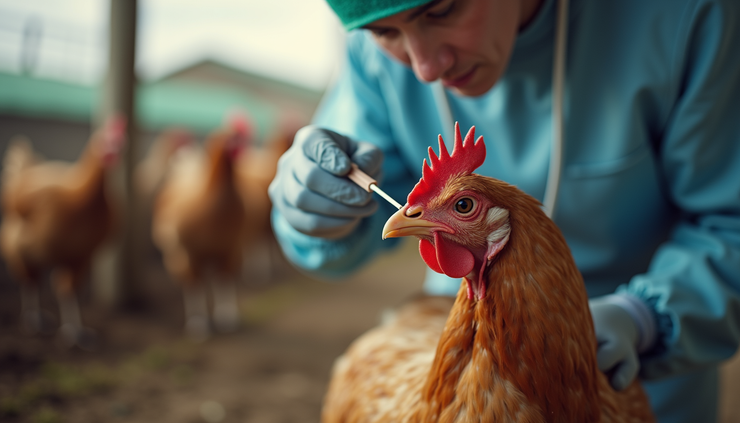
Accurate diagnosis requires a combination of observation, laboratory testing, and sometimes post-mortem examination.
Field Observations
Track how quickly symptoms spread
Note the pattern of illness (respiratory, digestive, neurological)
Check for environmental factors like ventilation, hygiene, and stressors
Laboratory Tests
Virus isolation or PCR tests detect viral genetic material
Bacterial cultures identify bacterial species from swabs or tissue samples
Blood tests can reveal immune responses typical of viral or bacterial infections
Post-Mortem Findings
Viral infections often cause widespread organ damage without pus formation
Bacterial infections may show localized abscesses or inflammation with pus
Working with a veterinarian to collect samples and interpret results is essential for correct diagnosis.
Treatment and Management Differences
Treatment strategies vary significantly between viral and bacterial infections.
Managing Viral Infections
No direct antiviral drugs are widely available for poultry
Supportive care includes hydration, nutrition, and reducing stress
Strict biosecurity to prevent spread
Vaccination programs are critical for prevention
Infected birds may need to be isolated or culled to protect the flock
Managing Bacterial Infections
Antibiotics can be effective but should be used based on sensitivity testing
Improve hygiene and reduce environmental contamination
Treat wounds promptly to prevent bacterial entry
Monitor flock closely for secondary infections
Overuse of antibiotics can lead to resistance, so veterinary guidance is important.
Preventive Measures for Both Types of Infection
Prevention is always better than treatment. Good management practices reduce the risk of both viral and bacterial infections.
Maintain clean housing with proper ventilation
Provide balanced nutrition to support immune health
Implement vaccination schedules recommended by experts
Control pests and wild birds that can introduce pathogens
Quarantine new birds before adding them to the flock
Regularly monitor flock health and act quickly on signs of illness

Recognizing When to Seek Professional Help
If symptoms worsen rapidly, mortality increases, or diagnosis is unclear, consult a veterinarian immediately. Early intervention can save many birds and reduce economic losses. Keep detailed records of symptoms, treatments, and outcomes to assist professionals in making accurate assessments.


Comments